Voltage (V): System Matching
Compare the battery’s working voltage range with the controller or inverter requirements. Nominal voltage is a reference value, not the full operating range.

BATTERY KNOWLEDGE / SELECTION & INTEGRATION
Practical guidance for comparing battery specifications, replacing lead-acid systems and preparing a lithium battery project. Start with the requirements of your equipment and confirm the selected model’s limits.
01 / BATTERY SELECTION
Start with the equipment voltage range and load requirements. Capacity alone does not establish whether a battery can power a vehicle, inverter or other equipment.
Compare the battery’s working voltage range with the controller or inverter requirements. Nominal voltage is a reference value, not the full operating range.
Ah describes charge capacity. Compare batteries at the same voltage; equal Ah values at different voltages do not mean equal stored energy.
Nominal energy is approximately voltage × capacity. Example: 51.2 V × 200 Ah = 10,240 Wh (10.24 kWh). Actual usable energy depends on the model and operating limits.
Check continuous current, peak current and permitted peak duration. Starting loads and controller or inverter demand must be reviewed against the model limits.
Provide equipment specifications, target runtime, available dimensions, charger details, temperature conditions and quantity. Our team can review the model and configuration against these requirements.
The energy example is a nominal calculation, not a runtime guarantee. Final selection uses the confirmed model specification.
02 / VEHICLE BATTERY SELECTION
For golf carts and sightseeing vehicles, begin with the controller and installation requirements, then compare the appropriate traction battery configuration.
Provide the vehicle model, controller working voltage and motor power. Check continuous current and peak demand during acceleration, climbing and loaded operation.
Measure the usable space and mounting points. Confirm pack dimensions, weight, terminal arrangement, cable connections and charger compatibility before ordering.
Tell us the passenger load, route, gradients, desired daily distance and charging schedule. These inputs support selection; capacity alone is not a guaranteed driving range.
The catalog lists 64 V and 76.8 V traction battery families. A catalog application does not establish compatibility with every golf cart. Confirm the selected model and configuration with our team.
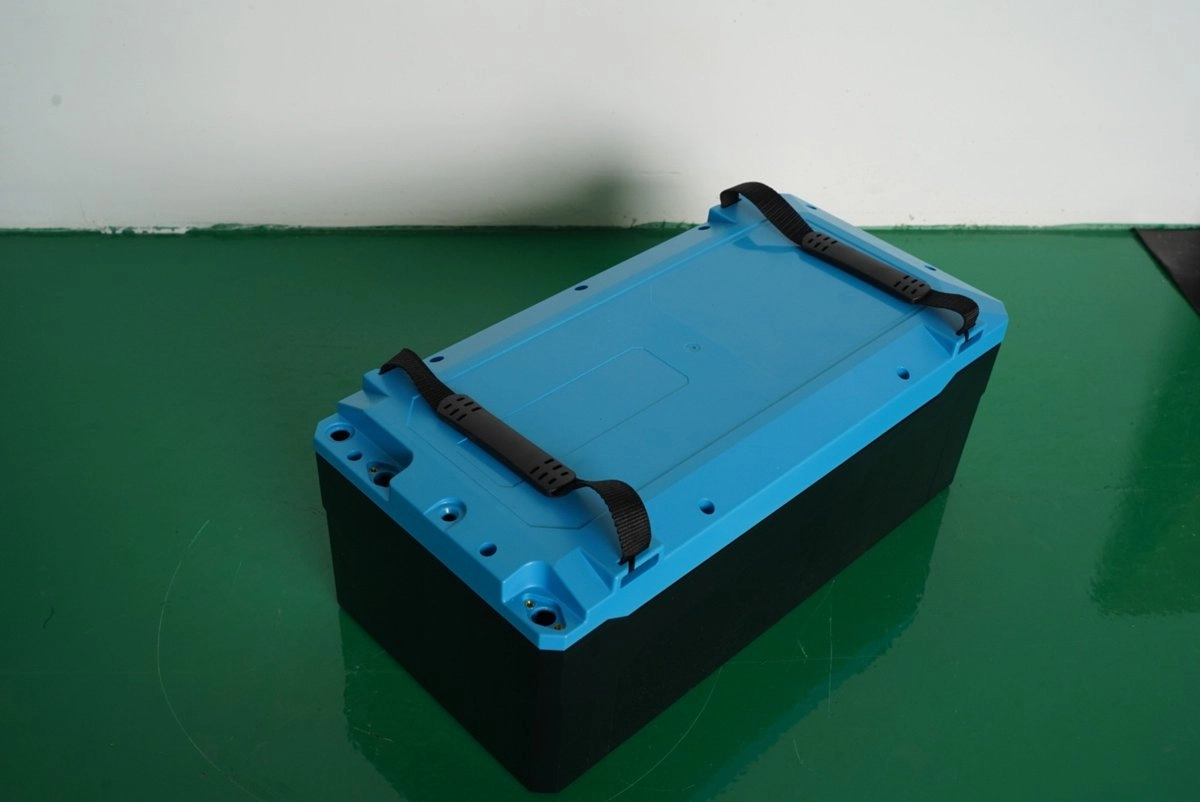
03 / ELECTRIC MOBILITY
Passenger and cargo vehicles need a battery matched to the controller, load and daily duty cycle. Choose the configuration around the actual vehicle requirements.
Provide the vehicle model, controller voltage range, motor power and maximum passenger or cargo load. Include gradients and frequent-start operation when describing the route.
Confirm continuous current and peak current with the permitted peak duration. Starting and hill-climbing demand must stay within the approved pack limits.
Share battery-compartment dimensions, mounting points, terminal requirements and charger specifications. Confirm the selected pack and charger as a compatible configuration.
Tell us the target daily distance, operating hours, charging opportunities and local temperature conditions. These are selection inputs, not a guaranteed range claim.
The product catalog includes electric tricycles and tuk-tuks in the traction battery application scope. Final compatibility is reviewed for the vehicle and selected model.
04 / LEAD-ACID REPLACEMENT
A successful replacement starts with a system review. Check electrical compatibility and installation requirements before selecting the lithium battery.
Provide the original battery voltage, quantity, capacity and wiring arrangement, together with the load, inverter or controller model. Match the lithium pack’s operating range and current limits.
Check the charger settings, terminals, cable connections and mounting space. Series or parallel use requires confirmation for the selected model; do not assume that every pack permits either arrangement.
The catalog includes Standard and Premium lead-acid replacement series. Compare the confirmed model’s specifications and options against the application, temperature conditions and budget.
Send photos of the current battery compartment and charger label with your request. Final selection and installation must follow the approved model documentation.
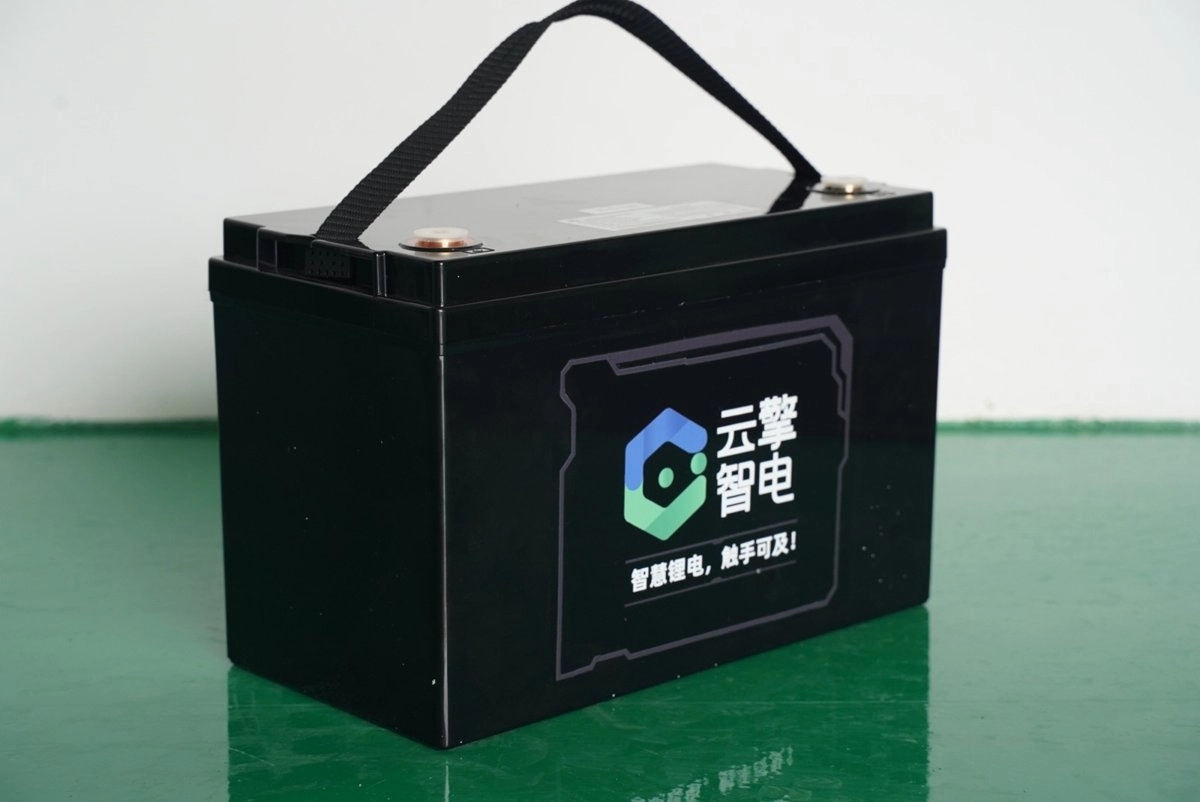
BATTERY ENGINEERING
The BMS monitors and protects the battery pack. Its current limits, protection settings and interfaces must match the selected battery and equipment.
Review cell-voltage and temperature monitoring, overcharge and overdischarge protection, and current protection for the specific model.
Confirm continuous current, peak current and allowed peak duration against the load. A BMS current rating alone does not confirm that the complete pack can support the application.
The charger and charging limits must be compatible with the pack. Follow the model-specific instructions rather than copying settings from another battery.
If CAN or RS485 is required, confirm the protocol, connector pinout and supported controller or inverter. The interface name alone does not establish compatibility.
For engineering review, provide the equipment model, working voltage, continuous and peak load, charger details, operating temperature and communication requirements.
05 / SYSTEM INTEGRATION
The product catalog lists communication options by battery family. Confirm the selected model’s interface and the equipment requirements before planning an integration.
Provide the inverter or controller brand, model and required protocol. CAN or RS485 on both devices does not by itself confirm that their messages and settings are compatible.
Request the approved connector pinout, cable requirements and communication configuration for the selected pack and equipment.
Specify the battery data or control functions required by the system. Confirm supported functions and any integration requirements before ordering.
Send equipment documentation and the proposed battery configuration. Compatibility must be confirmed for the complete system rather than assumed from an interface label.
06 / OPERATING CONDITIONS
Match the battery to the actual installation environment. Charging, discharge and storage limits must be checked separately for the selected model.
Request the model-specific charging, discharge and storage temperature ranges. A discharge rating does not establish a permitted charging temperature.
The catalog lists heating as an option for selected battery families. Confirm availability, operation and charger requirements for the ordered configuration.
Share the lowest and highest ambient temperatures, indoor or outdoor location, enclosure ventilation and expected daily operating cycle.
Ask for the approved operating instructions and protection settings before ordering. Do not apply one battery family’s limits to another model.
07 / STORAGE & CARE
For seasonal vehicles, backup systems and distributor stock, request a storage procedure for the exact battery model and expected storage period.
Confirm the approved storage temperature, location and terminal-protection instructions. Provide warehouse or installation conditions when requesting guidance.
Request the specified storage charge level, inspection schedule and recharge procedure. Do not copy a universal percentage or interval from another battery model.
Follow the model instructions for inspection, charging and reconnection after storage. Ask for technical review if the pack condition or operating history is uncertain.
Keep the model identification and supplied instructions with the battery. Confirm the guidance required for customers, seasonal equipment and stock management.
